
Callings
Two sides, six Callings each
A character is born to one side and chooses one of its six Callings. Both sides are playable today, from level one. Every Calling is designed to touch the simulation: a role that cannot change the world is a role this game does not need.
The Weavers' six
 Concept art
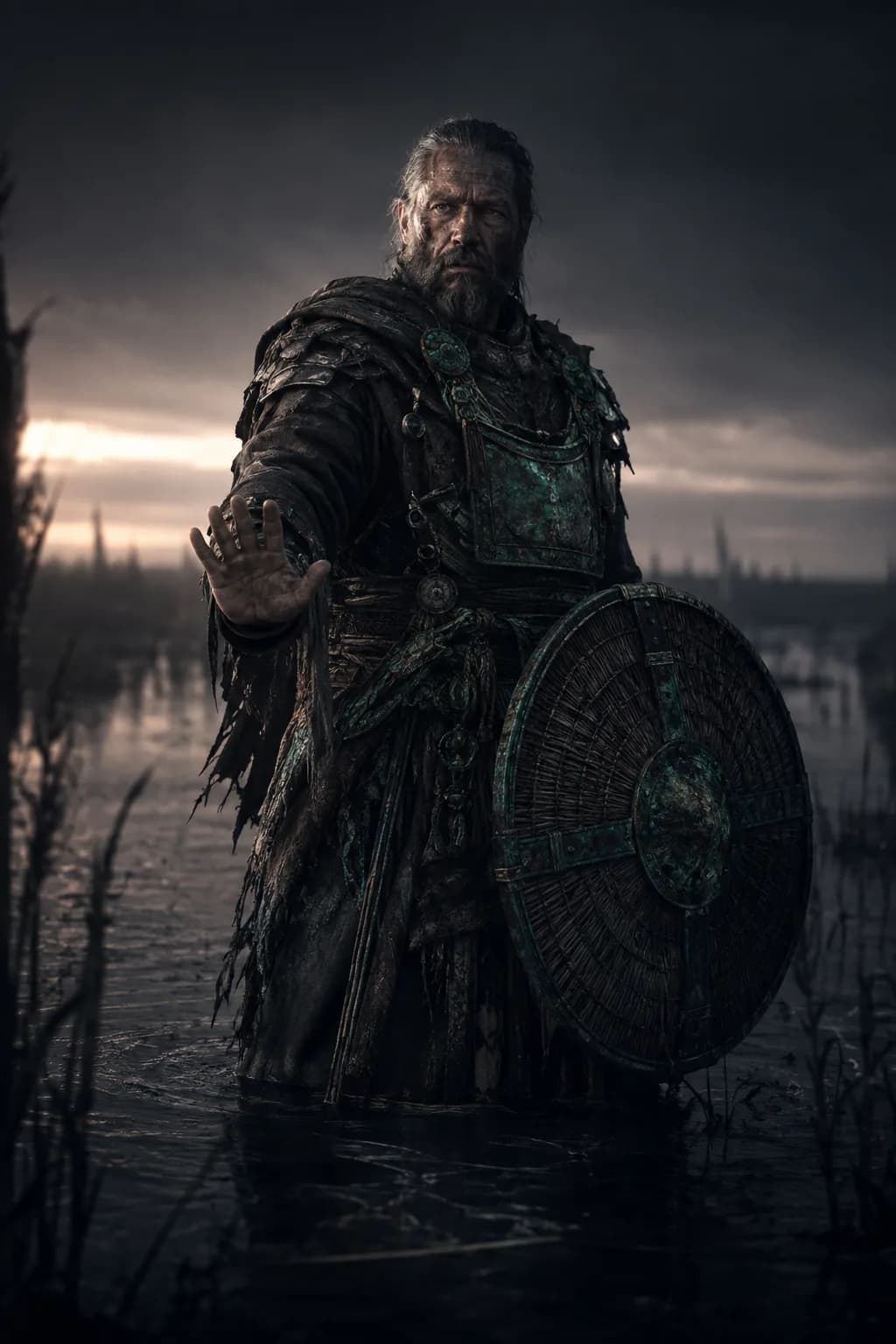
Warden
TankStaminaHolds the line, and the line is not always a fight. A Warden can calm and redirect beasts instead of killing them.
Hold on the ecosystem
Partly inRedirecting a herd changes where it grazes, which changes the region.
Today: Calm Beast sends a calmed creature off into the neighbouring region, and the simulation counts it there. Moving a whole herd is the design.
 Concept art
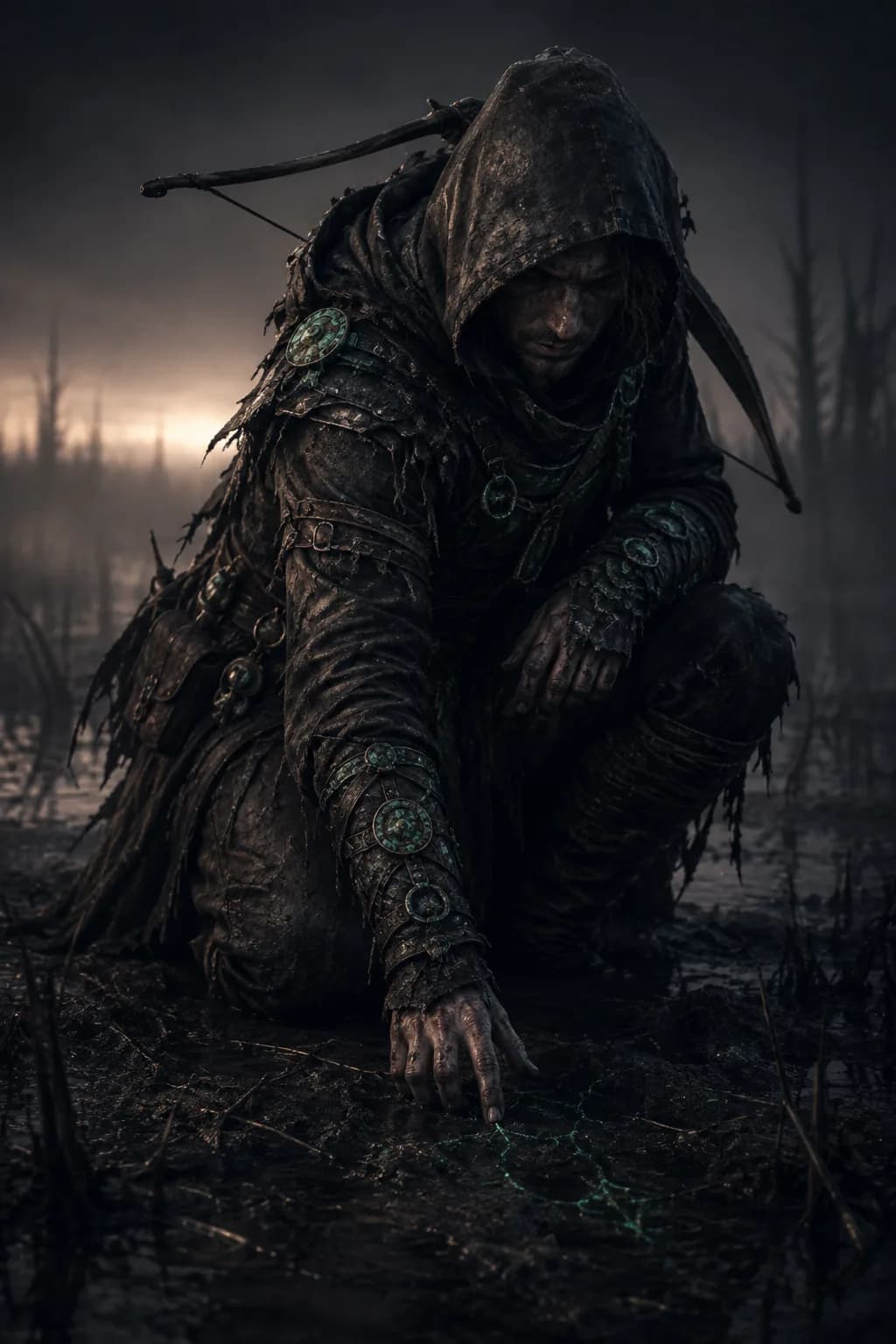
Pathfinder
Ranged damageFocusReads the land at a distance and strikes from it.
Hold on the ecosystem
PlannedSees migration patterns and tracks that nobody else can read.
Today: No ability reads migrations or tracks yet.
 Concept art
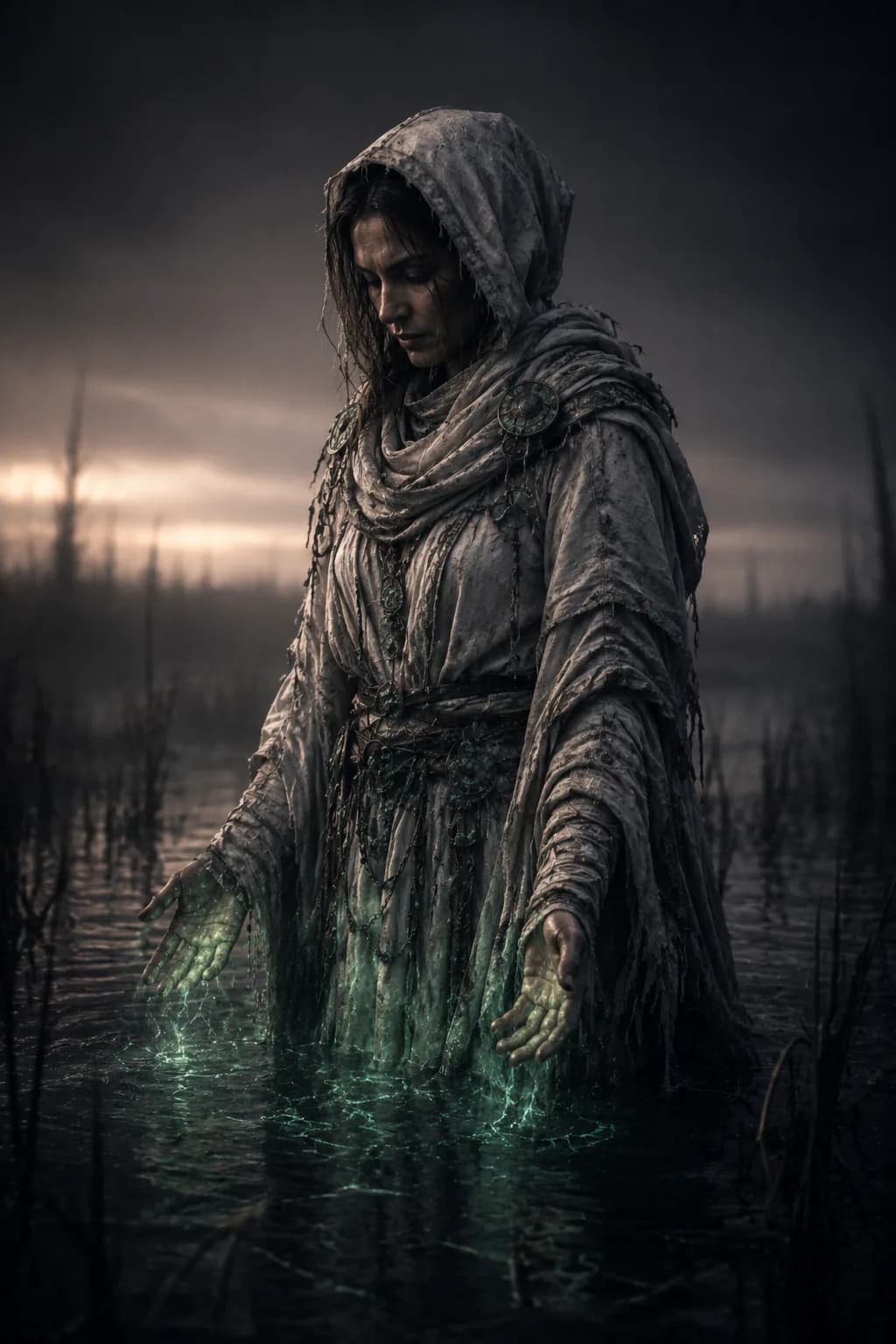
Reedsinger
HealerWeaveMends by singing the Weave back together.
Hold on the ecosystem
PlannedHealing scales with the health of the surrounding biome. A dying region makes for a weaker healer.
Today: Healing does not yet change with the health of the region.
 Concept art
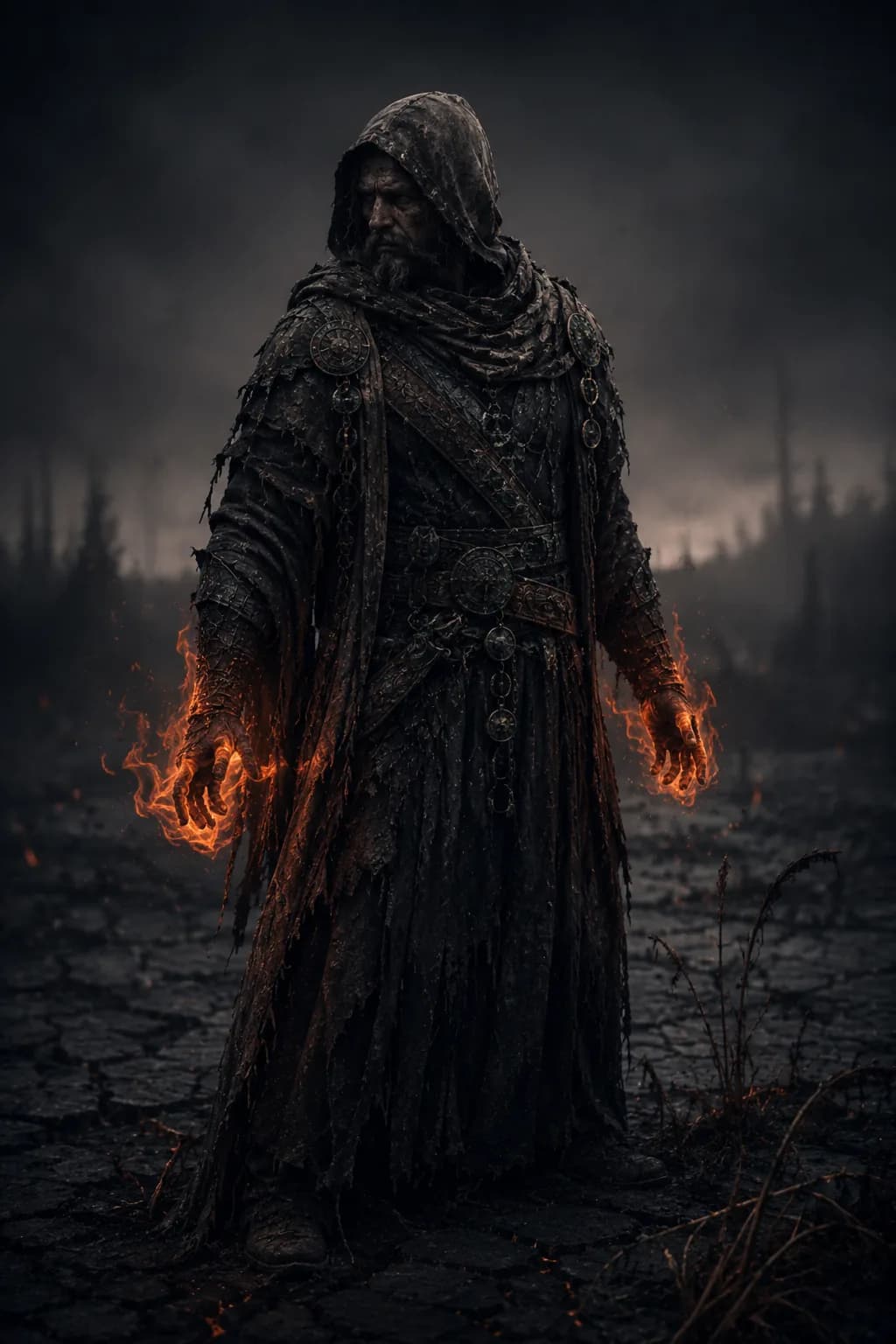
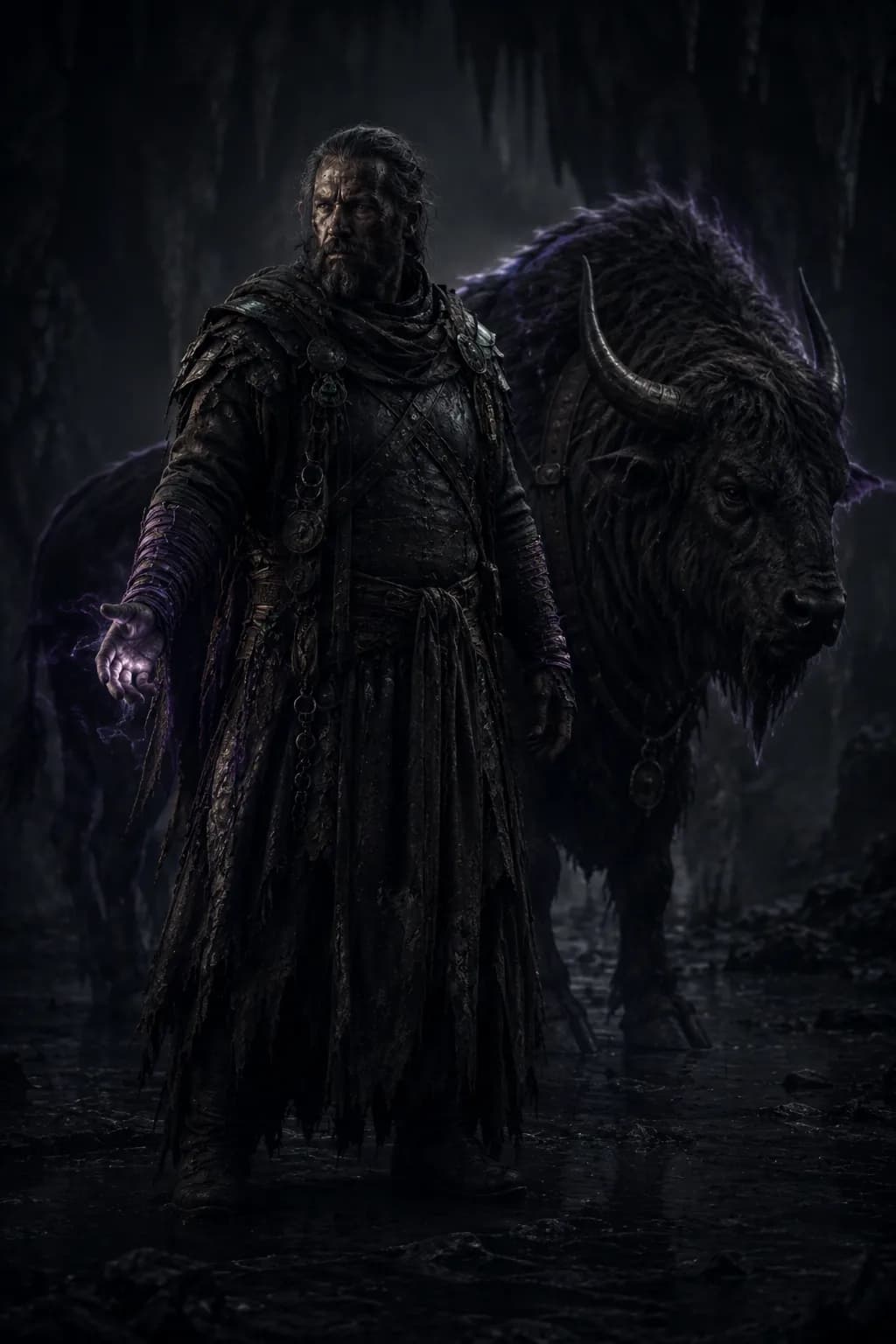
Ashbearer
Magic damageWeaveThe strongest damage in the game, and the most expensive.
Hold on the ecosystem
Partly inBurns the ecosystem where it fights. Guilds have to negotiate where an Ashbearer is allowed to operate — that is designed friction, not a bug.
Today: A kill made with an Ashbearer's ability adds pressure to the region's populations, by a value in the balance configuration. What guilds make of that is up to them.
 Concept art
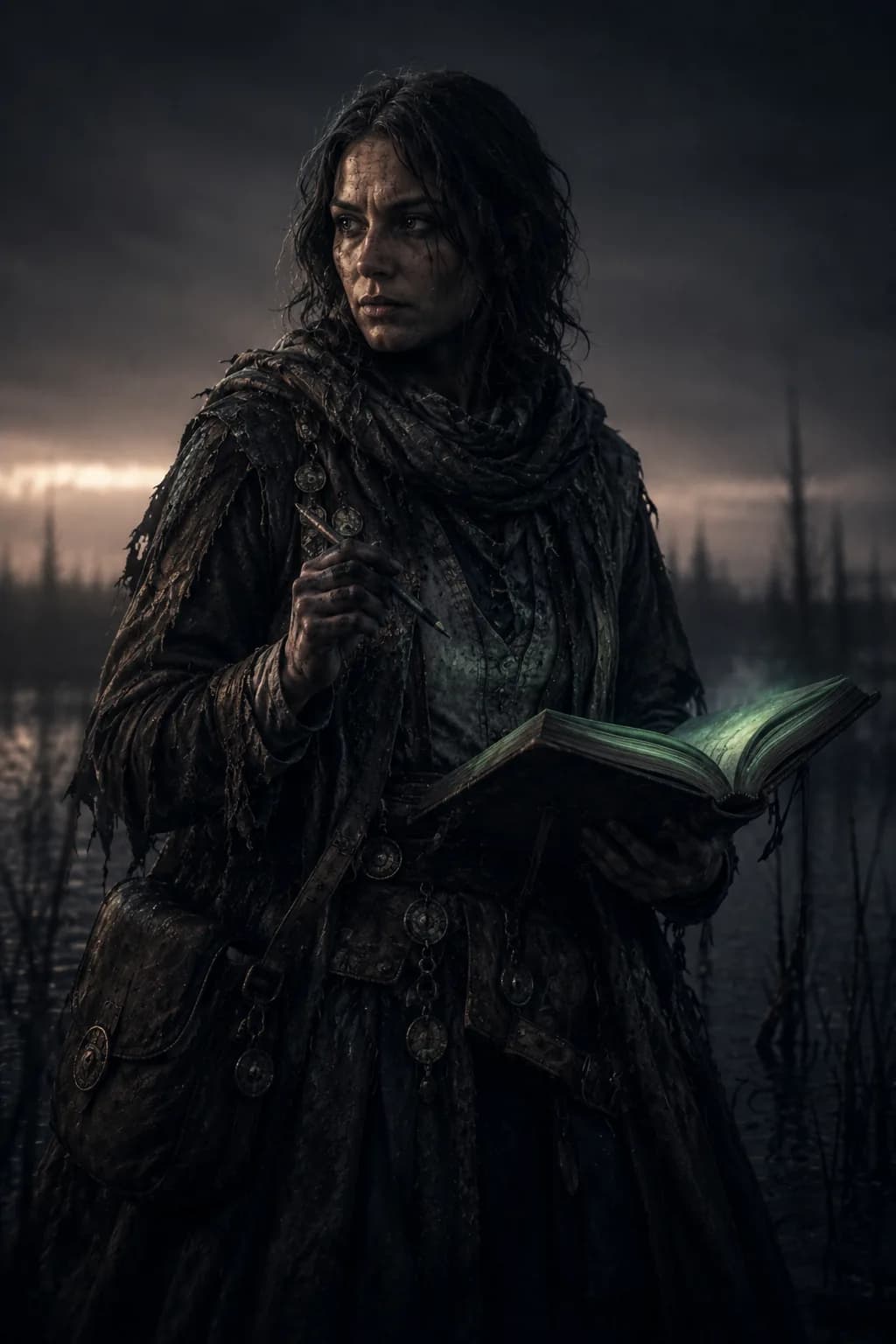
Binder
ControlWeaveBinds creatures temporarily into service.
Hold on the ecosystem
PlannedA bound creature is removed from its population for the duration.
Today: Bind holds a creature for a few seconds; taking it out of its population is not built.
 Concept art
Chronicler
SupportFocusWrites events into the Chronicle, and is strengthened by deeds already written there.
Hold on the ecosystem
PlannedRecords what the world became, which is how a server gets a history.
Today: Players do not write to the Chronicle yet.
The other side: the Tearers
Two sides. The six above are the Weavers'. These six are the Tearers': the same six roles, chosen and played the same way, by those who came apart when the Weave tore.
 Concept art
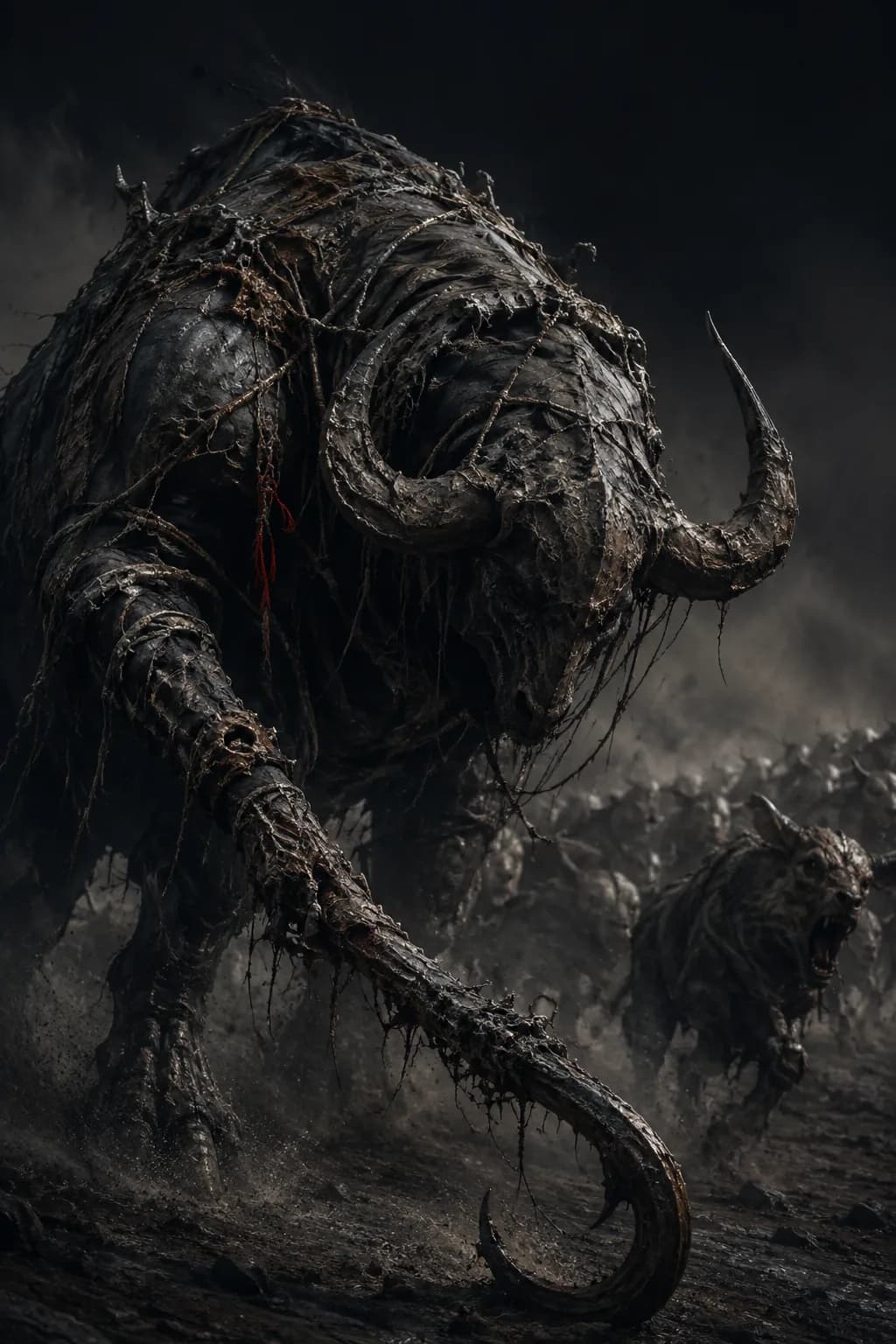
Goader
TankStaminaMirrors the WardenA hulking horned stampede-beast with a drover's goad grown out of its own forelimb. Where a Warden calms a herd, a Goader drives it, and takes its blows from behind the panic.
What it does to the ecosystem
Partly inA stampede changes where a herd grazes and where it dies, which changes the region.
Today: Stampede drives a creature off into the neighbouring region, and the simulation counts it there. Moving a whole herd is the design.
 Concept art
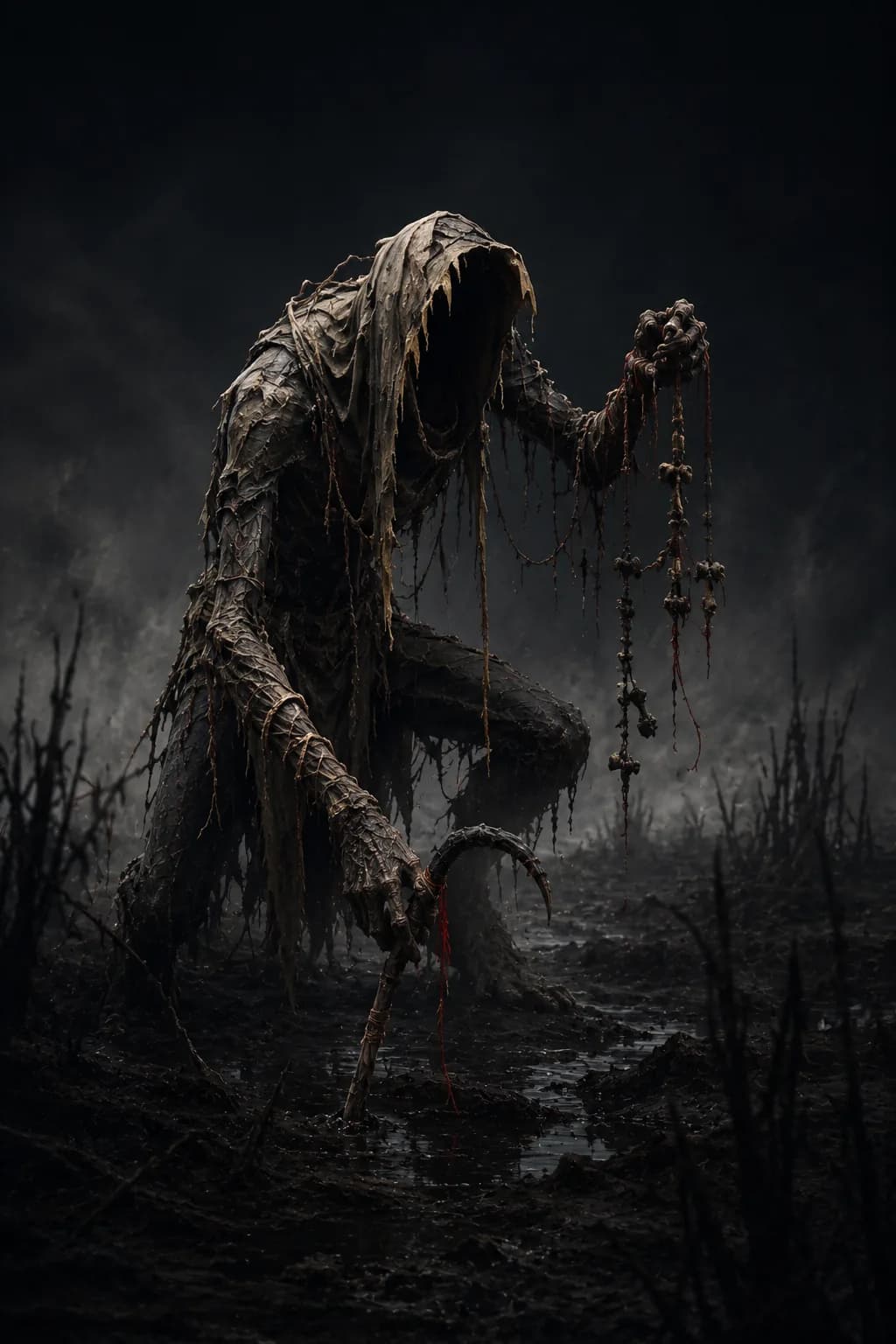
Misleader
Ranged damageFocusMirrors the PathfinderA lean, long-limbed hooded thing with a lure of false trail-markers on a cord and a hollow where a face should be. It writes lies into the ground the Pathfinder reads.
What it does to the ecosystem
PlannedA migration led astray is a population that starves in the wrong place.
Today: No ability leads a migration astray yet.
 Concept art
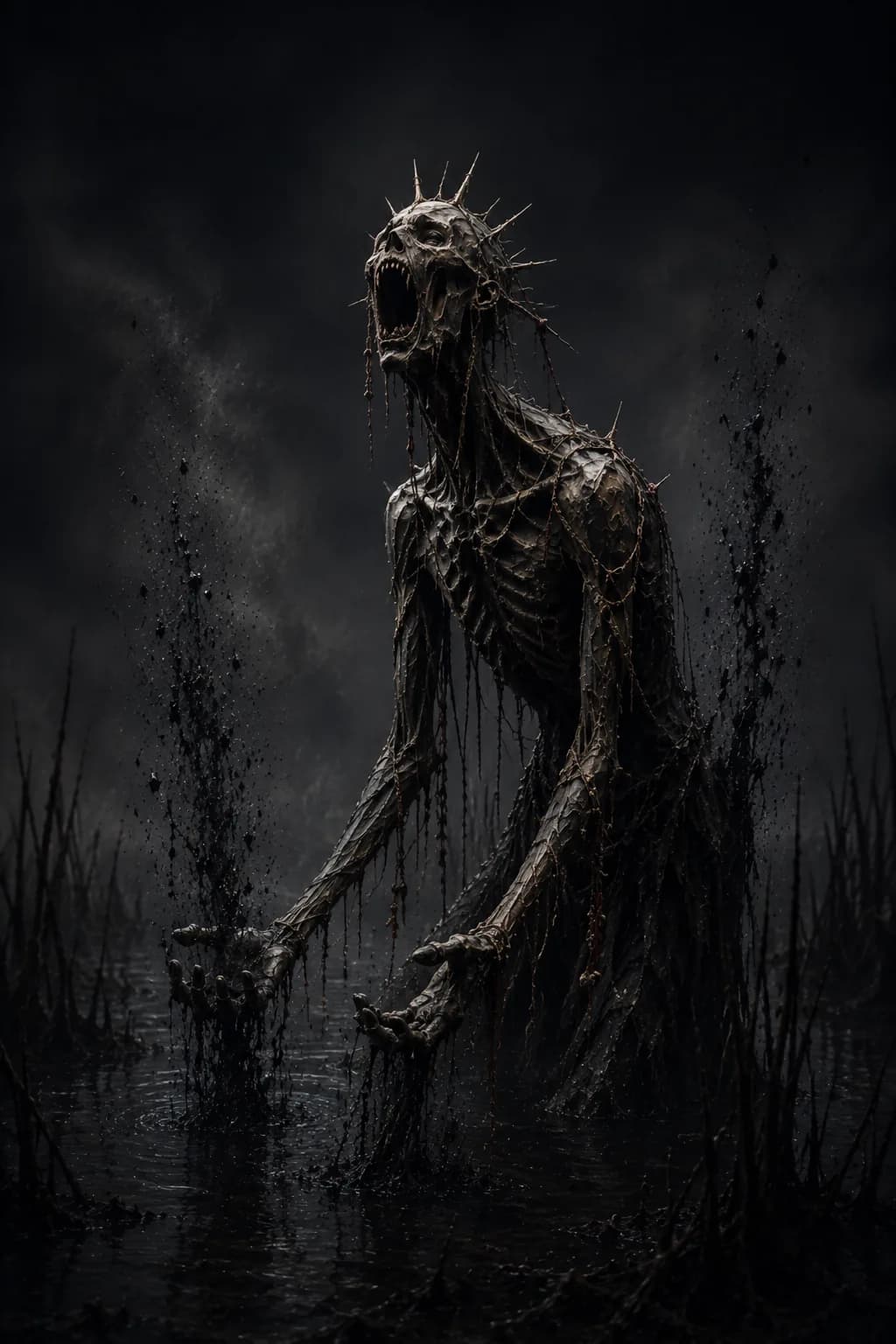
Rotsinger
HealerWeaveMirrors the ReedsingerA stooped, reed-thin creature standing in black water among dead reeds, throat open in a soundless song. What the Reedsinger draws up as light, it draws up as rot.
What it does to the ecosystem
PlannedSustains itself by draining local biome health; strongest where the marsh is dying.
Today: Healing does not yet change with the decay of the region.
 Concept art
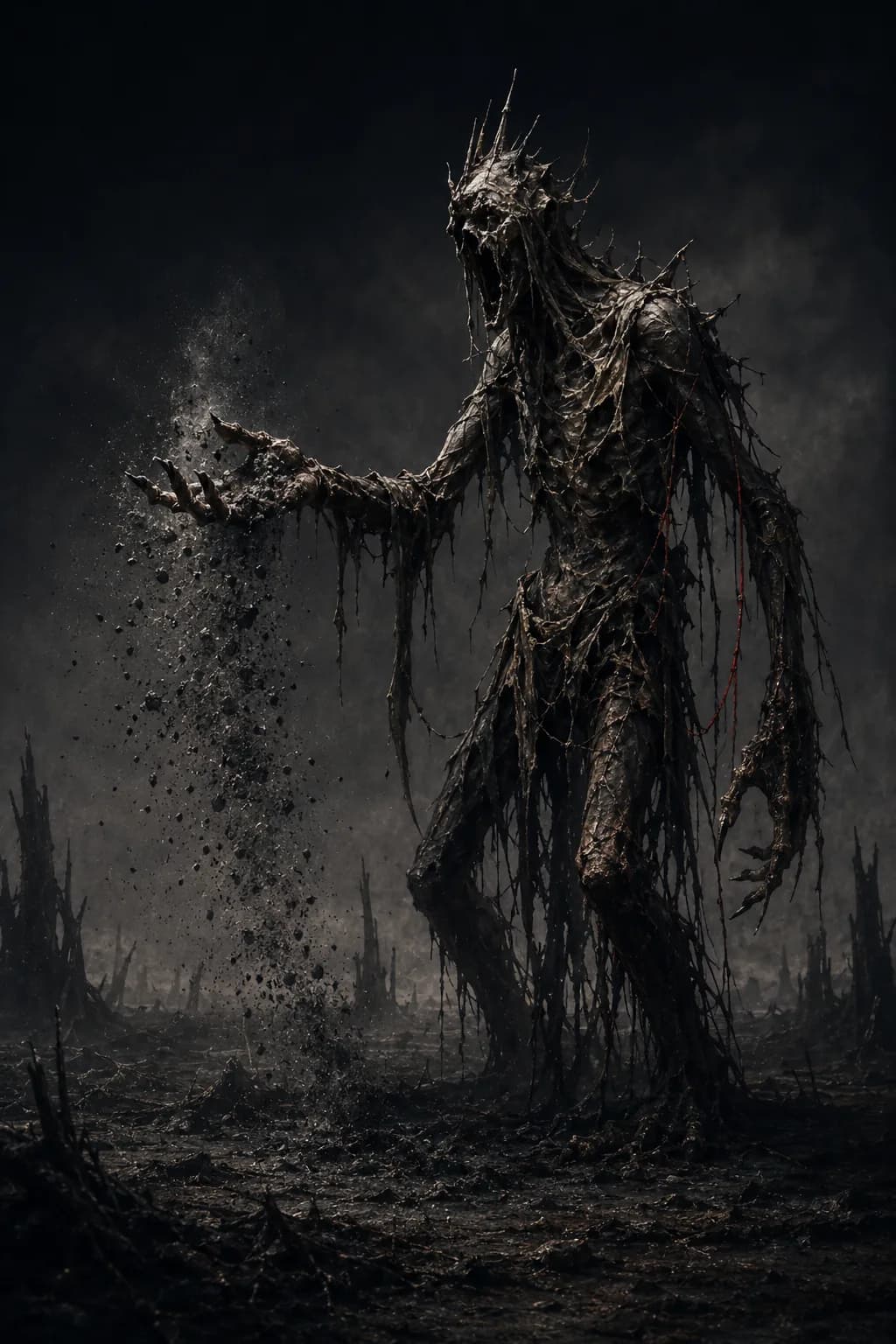
Ashsower
Magic damageWeaveMirrors the AshbearerA gaunt, scorched creature scattering cold cinders from an open hand, standing on ground already burnt to the horizon. As strong as the Ashbearer, and paying none of its cost.
What it does to the ecosystem
Partly inBurns the region it fights in for nothing; the friction the Ashbearer carries, inverted.
Today: A kill made with an Ashsower's ability adds the same pressure to the region's populations as an Ashbearer's.
 Concept art
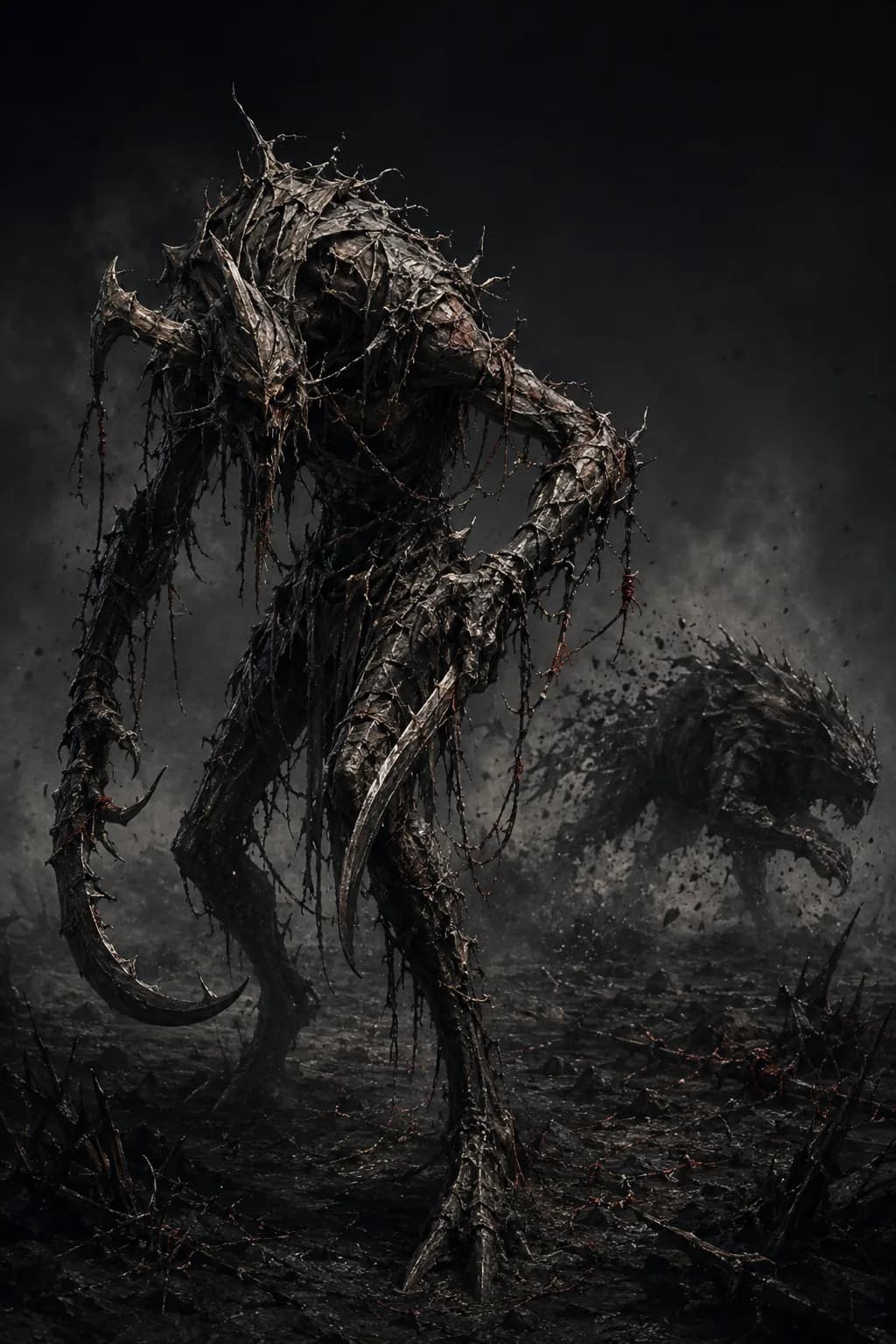
Unbinder
ControlWeaveMirrors the BinderA cord-cutter with hooked blades grown from both forearms and severed leashes hanging from them. A creature it frees is not returned to the wild; it is loosed on whatever is nearest.
What it does to the ecosystem
PlannedA bound creature released feral rejoins no population; it is a predator with no place.
Today: Loosing a bound creature feral is not built.
 Concept art
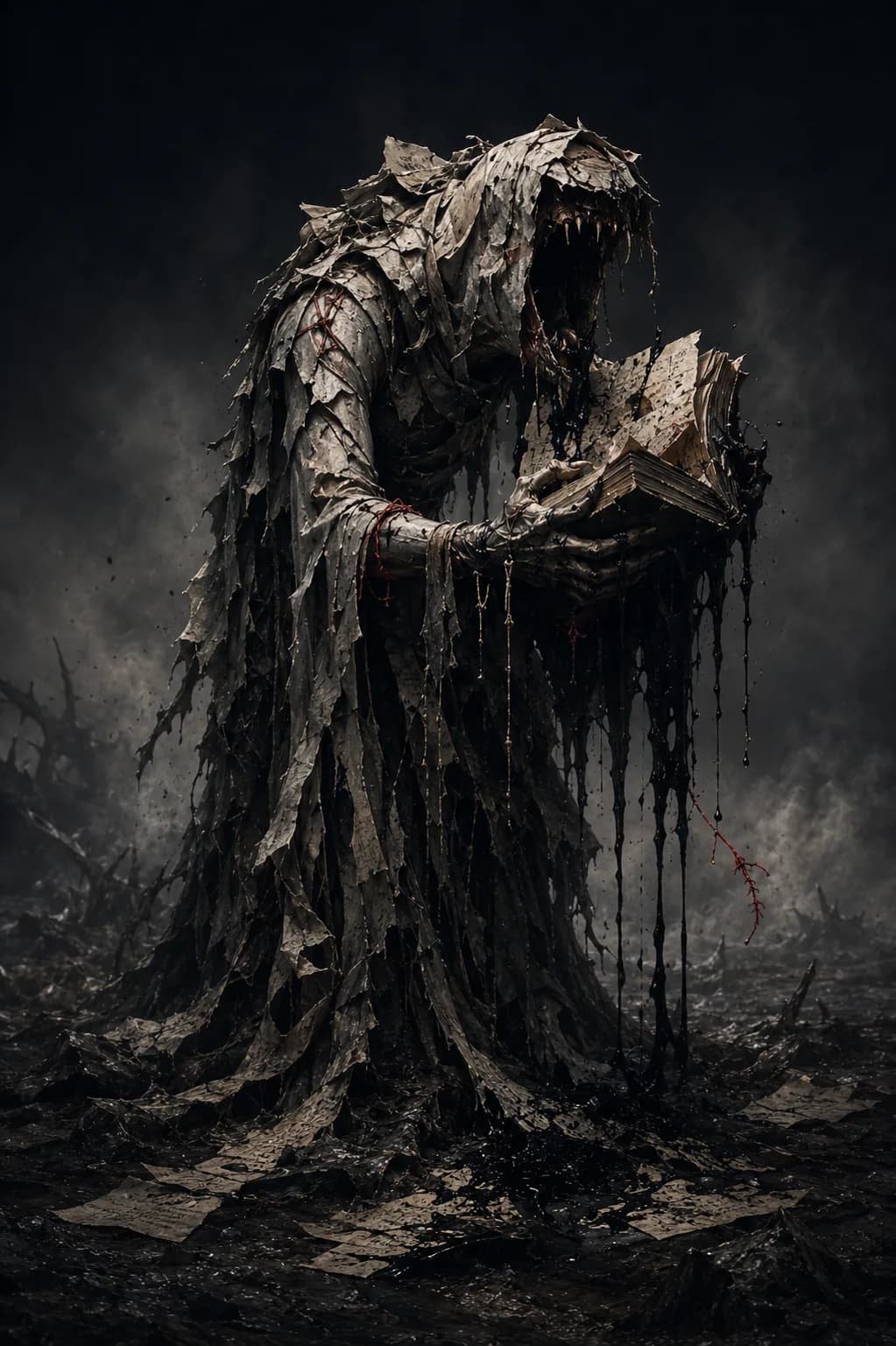
Unwriter
SupportFocusMirrors the ChroniclerA hunched thing of torn pages and running black ink, eating a bound volume. It reads the Chronicle the way a Chronicler does, and tears out the page.
What it does to the ecosystem
PlannedRemoves events from the Chronicle, which is how a server loses its history.
Today: Nothing removes an entry from the Chronicle.
The Ashbearer is designed friction
It is designed as the strongest solo damage in the game, and to burn the ecosystem of whatever region it fights in. That is not an oversight waiting for a balance pass. A guild that wants an Ashbearer will have to decide where one is allowed to operate, and then hold that decision against the members who would rather clear faster. No script produces that conversation; a cost that lands on somebody else does.
Today: A kill made with an Ashbearer's ability adds pressure to the region's populations, by a value in the balance configuration. What guilds make of that is up to them.
The Weave: change your Calling, keep your character
Reweaving is meant to be a choice you make, not a second character you level.
Progression in Zizeeria is designed to be horizontal. The level ceiling is meant to arrive after forty to sixty hours, and everything after it to grow sideways: new specialisations, new biomes, new crafting branches, rather than a patch that adds ten levels and quietly retires your equipment.
Because progression is horizontal, switching Callings is to cost nothing that was hard to earn: you keep every level, every recipe and every reputation, and what changes is the weave you have active. Nothing in the game offers a change of Calling yet; today a character keeps the Calling it was created with.